







In the ever-evolving digital landscape, search engine optimization (SEO) has become a vital tool for businesses of all sizes. For small businesses, SEO levels the playing field, enabling them to compete with larger, more established brands. With the right strategies and focus, small businesses can boost their visibility, attract more customers, and achieve sustainable growth.
This blog explores the power of SEO and how small businesses can harness it to compete with industry giants.
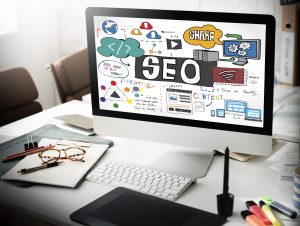
Understanding SEO: The Basics
SEO involves optimizing your website and online content to rank higher in search engine results pages (SERPs). It focuses on improving visibility, driving organic traffic, and ultimately increasing conversions.
Key components of SEO include:
- Keyword Research: Identifying the terms your audience is searching for.
- On-Page Optimization: Optimizing meta tags, headers, and content for relevant keywords.
- Technical SEO: Improving site speed, mobile responsiveness, and crawlability.
- Off-Page SEO: Building backlinks and improving your website’s authority.
- Local SEO: Enhancing your visibility for geographically targeted searches.
The Advantages of SEO for Small Businesses
SEO offers several benefits that make it particularly advantageous for small businesses:
- Cost-Effective Marketing:
- Unlike paid advertising, organic search traffic doesn’t require ongoing payments to Google or other platforms.
- With a well-optimized website, you can attract visitors consistently over time.
- Targeted Traffic:
- SEO ensures your website reaches the right audience by targeting specific keywords.
- Local SEO is especially effective for small businesses seeking nearby customers.
- Builds Credibility and Trust:
- A high-ranking website signals authority and reliability to users.
- Positive reviews and testimonials further enhance your credibility.
- Competes with Big Brands:
- With the right strategy, small businesses can outrank larger competitors for niche keywords.
- A focus on local or long-tail keywords can make a significant difference.
Strategies to Compete with Big Brands Using SEO

Small businesses may not have the same resources as big brands, but they can leverage SEO strategies to carve out their own space in the market.
- Focus on Local SEO
Local SEO helps small businesses dominate in their geographic area. By optimizing for location-based searches, you can attract nearby customers and outshine larger competitors that lack local presence.
Key steps include:
- Claiming and optimizing your Google Business Profile.
- Adding location-specific keywords to your content.
- Encouraging customer reviews on platforms like Google and Yelp.
- Ensuring NAP (Name, Address, Phone Number) consistency across all listings.
- Target Long-Tail Keywords
Long-tail keywords are longer, more specific phrases that often have lower search volume but higher intent. Big brands typically focus on broad, high-competition keywords, leaving an opportunity for small businesses to rank for niche terms.
Examples:
- Instead of targeting “shoes,” target “handmade leather shoes in Boston.”
- Instead of “coffee shops,” target “quiet coffee shops for remote work in Austin.”
- Create High-Quality, Relevant Content
Content is the backbone of SEO, and small businesses can shine by producing valuable, audience-specific content. Focus on:
- Answering common customer questions.
- Writing blog posts, guides, or tutorials related to your industry.
- Creating engaging videos, infographics, and case studies.
- Regularly updating your content to keep it fresh and relevant.
- Leverage Local Backlinks
Backlinks from reputable websites signal to search engines that your site is trustworthy and authoritative. For small businesses, earning local backlinks is a powerful strategy.
Ideas for local backlink opportunities:
- Partner with local bloggers or influencers.
- Sponsor community events or charities.
- Get featured in local directories or news outlets.
- Collaborate with other businesses in your area.
- Prioritize User Experience (UX)
Search engines prioritize websites that provide a positive user experience. Small businesses can improve UX by:
- Ensuring fast page load times.
- Using mobile-friendly, responsive design.
- Organizing content with clear headings and easy navigation.
- Reducing pop-ups and intrusive ads.
- Monitor and Adapt
SEO isn’t a one-time effort—it’s an ongoing process. Regularly monitoring your performance helps you identify areas for improvement and adapt to changing trends.
Use tools like:
- Google Analytics for traffic and user behavior insights.
- Google Search Console for keyword rankings and site health.
- SEMrush or Ahrefs for competitor analysis and backlink tracking.
 Why Small Businesses Have an Edge
While big brands have significant resources, small businesses often have advantages that can be leveraged in SEO:
- Agility: Small businesses can implement changes and adopt new strategies more quickly.
- Personalization: They can create tailored experiences that resonate deeply with their audience.
- Local Connections: Strong community ties often lead to organic reviews, referrals, and partnerships.
- Authenticity: Customers often prefer authentic, local businesses over impersonal corporations.
Common SEO Mistakes to Avoid
To succeed in SEO, small businesses should steer clear of these common pitfalls:
- Ignoring Mobile Optimization: With the majority of searches happening on mobile devices, a non-mobile-friendly website can hurt rankings.
- Keyword Stuffing: Overloading your content with keywords can lead to penalties.
- Neglecting Reviews: Reviews impact local SEO rankings and influence customer decisions.
- Lack of Analytics: Without tracking performance, it’s impossible to refine your strategy.
The Future of SEO for Small Businesses
As technology evolves, so do SEO strategies. In 2025 and beyond, small businesses should keep an eye on trends like:
- Voice Search Optimization: More users are conducting searches using voice assistants, emphasizing the importance of natural language keywords.
- AI-Powered Insights: Tools powered by artificial intelligence can help identify opportunities and optimize content.
- Sustainability Signals: Highlighting eco-friendly practices can boost rankings as search engines prioritize sustainability.
Conclusion
SEO is a powerful tool that empowers small businesses to compete with big brands. By focusing on local SEO, targeting niche keywords, creating valuable content, and optimizing user experience, small businesses can carve out their place in the market and attract loyal customers.
Remember, SEO is a marathon, not a sprint. With consistent effort and a strategic approach, your small business can achieve significant growth and stand out in the digital arena.
Ready to elevate your SEO game? Our web development and digital marketing experts are here to help. Contact us today to get started!
For more information or a free consultation to discuss the website or marketing strategies best for your business, contact Spinning Web Media Solutions at (925) 219-6146 or you can contact us here.
Images Designed by Freepik